
The Role of Luck in Casino Dynamics
Luck is an integral component of the casino experience, influencing both player behavior and game outcomes. In games like slots, poker, and roulette, luck often dictates the flow of play, making it a central theme in the psychology of gambling. Players enter casinos hoping that fortune will favor them, and this belief fuels the excitement and anticipation that are intrinsic to the gambling experience. For those looking to explore an exciting online casino , the thrill of chance is ever-present. Without luck, the thrill of the game would be significantly diminished, as players often rely on chance to determine their success. This reliance on luck not only shapes individual experiences but also contributes to the overall atmosphere of the casino, where the hope for a lucky break is palpable.
Moreover, the randomness of outcomes in casino games exemplifies the unpredictability of luck. While skill can play a role in games such as poker, where strategy and decision-making are crucial, many other games are purely chance-based. This inherent randomness appeals to people’s desire for a potential windfall, as it underscores the idea that anyone can walk away a winner. The allure of hitting a jackpot or striking it rich on a particular hand keeps players engaged and returning for more, reinforcing the connection between luck and casino culture. For many, the prospect of a lucky outcome is what makes the journey to the casino worthwhile, as they chase the thrill of potential fortune.
This quest for luck can sometimes overshadow the reality that gambling should be approached with caution. It’s important for players to recognize that while luck plays a significant role, the odds are still designed to favor the house. Awareness of this dynamic can help players engage more responsibly, as they navigate the balance between enjoying the thrill of luck and understanding the statistical realities of the games they play. Ultimately, luck serves as a catalyst for excitement, but it also carries the weight of responsibility for those who seek it, reminding them that the game is not solely about winning but also about enjoying the experience.
The Psychological Impact of Luck on Players
The psychological impact of luck in casinos is profound, affecting how players perceive their gaming experience. Believing in luck can create a sense of hope, prompting players to invest time and money into their chosen games. This belief system often leads to what is called “gambler’s fallacy,” where players believe that past outcomes influence future results. For instance, a player might think that after a series of losses, a win is due. This mindset can significantly affect betting behavior and overall enjoyment, creating a cycle where players chase after what they perceive as their inevitable lucky break, sometimes to their detriment.
Furthermore, the thrill associated with lucky moments—such as hitting a winning streak or landing a big payout—serves to reinforce the emotional highs of gambling. Casinos are designed to capitalize on this by creating an immersive environment where players can experience these spikes in emotion repeatedly. The use of bright lights, exciting sounds, and a celebratory atmosphere contributes to a feedback loop, where luck is celebrated and further sought after. This cyclical relationship between emotional response and luck is fundamental to understanding the allure of casino gaming, allowing players to feel connected to the games and to each other through shared experiences of luck.

However, it is essential to consider the darker side of luck, which can lead to problematic gambling behaviors. The hope of hitting it big can drive some players to chase losses, leading them to gamble more than they can afford. This behavior is often exacerbated by the thrill of potential luck, as the desire for a lucky break can overshadow rational decision-making. Acknowledging this psychological aspect is crucial for fostering a healthier approach to gambling, encouraging players to engage with an understanding that luck is not a reliable or consistent factor. By cultivating awareness, players can better manage their expectations and maintain control over their gambling habits.
The Balance of Skill and Luck in Casino Games
In the world of casinos, the interplay between skill and luck is a topic of considerable debate. In games like poker and blackjack, players employ strategies and skills that can significantly affect their odds of winning. While luck still plays a critical role in determining individual hands or rounds, skilled players often find ways to leverage their knowledge to optimize their chances. This balance creates a competitive environment where those with more experience can feel empowered, while the element of luck ensures that outcomes are never entirely predictable. This dynamic adds layers of complexity to the games and enriches the overall gambling experience.
On the contrary, many casino games, such as slots and roulette, are purely chance-based, leaving little room for strategic influence. In these games, player decisions have minimal impact on outcomes, reinforcing the idea that luck is the primary driving force. This dichotomy illustrates that while some games celebrate skill, others rely exclusively on the whims of chance. As players engage with different games, their perceptions of luck may shift, resulting in varying levels of satisfaction based on their understanding of skill versus luck. This distinction is crucial for players to grasp, as it influences their choice of games and their overall gaming strategy.
The balance of skill and luck also influences how casinos market their games. Casino operators often highlight games where players can exert skill, such as poker tournaments, to attract a clientele that values strategy. Conversely, the instant gratification associated with luck-based games appeals to those seeking a quick thrill. Understanding this dynamic is vital for players, as it allows them to select games that align with their preferences and risk tolerance, ensuring a more enjoyable and informed gaming experience. This knowledge helps players navigate the casino landscape with greater confidence and clarity.
The Social Aspect of Luck in Casinos
The social dynamics in casinos are heavily influenced by the concept of luck, fostering a sense of community among players. Many gamblers enjoy sharing their experiences of lucky wins and bad beats, which enhances their collective experience. This storytelling aspect can create bonds among players at tables or slot machines, as they encourage one another and revel in tales of fortune. Luck becomes a shared language that transcends individual experiences, uniting players in their pursuit of wins. This communal aspect adds depth to the casino experience, transforming it from a solitary activity into a shared adventure.
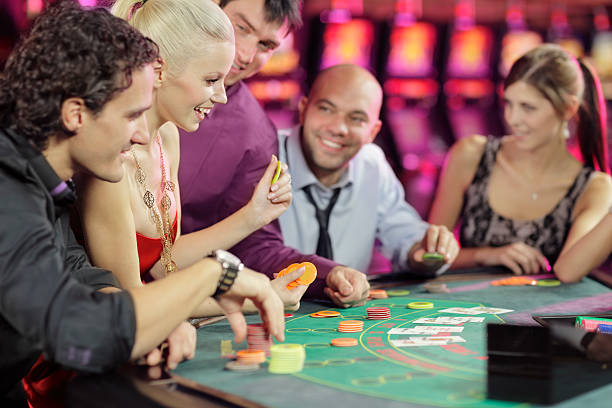
Moreover, the celebration of luck often spills over into communal events within casinos, such as tournaments or promotional games. These events provide players with the opportunity to experience luck in a collaborative setting, where the thrill of the game is amplified by the presence of others. Friendships and alliances may form as players root for each other’s success, fostering a social atmosphere that enhances the overall gambling experience. This communal culture not only promotes enjoyment but also adds to the vibrancy of the casino environment, making it a lively space filled with camaraderie and excitement.
However, it’s essential to be aware of the potential for negative social influences related to luck. The pressure to win, often fueled by the shared excitement of luck, can lead some players to engage in riskier behaviors. Understanding how luck plays a role in social interactions can help players navigate these dynamics, ensuring that they maintain a healthy relationship with gambling. Ultimately, the social aspect of luck in casinos adds layers of complexity to the experience, making it both exhilarating and challenging as players learn to balance their enjoyment of the game with responsible gambling practices.
The Future of Luck in the Casino Experience
As technology continues to evolve, the experience of luck in casinos is also undergoing significant transformations. With the rise of online gambling and virtual reality casinos, players can now experience the thrill of luck from the comfort of their homes. This shift introduces new opportunities for players to engage with their favorite games and enhances the randomness of outcomes through sophisticated algorithms and random number generators. These advancements allow players to still feel the excitement of luck, even in a digital format, creating a bridge between traditional gambling experiences and modern technological innovations.
Furthermore, innovations in gamification are reshaping how luck is perceived and experienced. Many online platforms integrate elements such as rewards, bonuses, and interactive features that not only enhance gameplay but also create more opportunities for players to feel ‘lucky.’ This can lead to a more immersive experience that blends chance with engagement, allowing players to enjoy the thrill of potential wins without the physical constraints of traditional casinos. Such developments are likely to attract a wider audience, bringing in new players eager to explore the world of gambling.
However, as the landscape of gambling evolves, it is crucial to maintain a balanced perspective on luck. The allure of potential wins can be intoxicating, but the responsible approach to gambling remains paramount. Players must stay informed and recognize the inherent risks associated with gambling, regardless of the medium. The future of luck in casinos promises to be exciting, but it will also require players to navigate these changes mindfully and responsibly, ensuring that the pursuit of luck remains a source of entertainment rather than a source of distress. By fostering a culture of awareness and responsible gaming, the industry can continue to thrive while prioritizing player well-being.